A customer asked for a machine; the request went by email; the email was not forwarded, or sank in the inbox. The deadline slipped, the customer complained, and to recover time the team skipped checking steps, which produced a worse delivery and an argument about whose fault it was.
A machine request that used to get lost in the inbox
A coffee-service company replaced requests that travelled by email through five departments, a thirty-person shared spreadsheet, an operations tool the floor refused to use, and machines prepared for the wrong customer with one system where a request moves from sales to finance to preparation to installation, and every one of more than two thousand machines has a known location.
A coffee-service company whose inventory is a fleet of machines on other people's premises.
Baristo supplies coffee to businesses: machines under rental, loan or sale, its own coffee, milk and chocolate for them, and the technical support to keep them running. Every customer is a machine, a preparation spec, a delivery schedule, a maintenance history and a contract.

Coffee service for businesses
21 daysPromise to install a requested machine
4 statesBranches in its region
2,000+Machines in the installed base, each with a tracked location
11Teams using the system
~2h/dayTime saved per department, about a quarter of the working day
>85%Share of deliveries within the company's 21-day promise today
11Teams using the systemPurchasing, HR, receivables, internal and external operations, sales
2,000+Machines in the installed base, each with a tracked locationWhich customer, which branch, with the movement history
“We had several processes decentralised: one process on one platform, another on another. We lost a lot of information and a lot of communication between departments. We solved that by concentrating everything in one place, and eleven teams are now using it.”
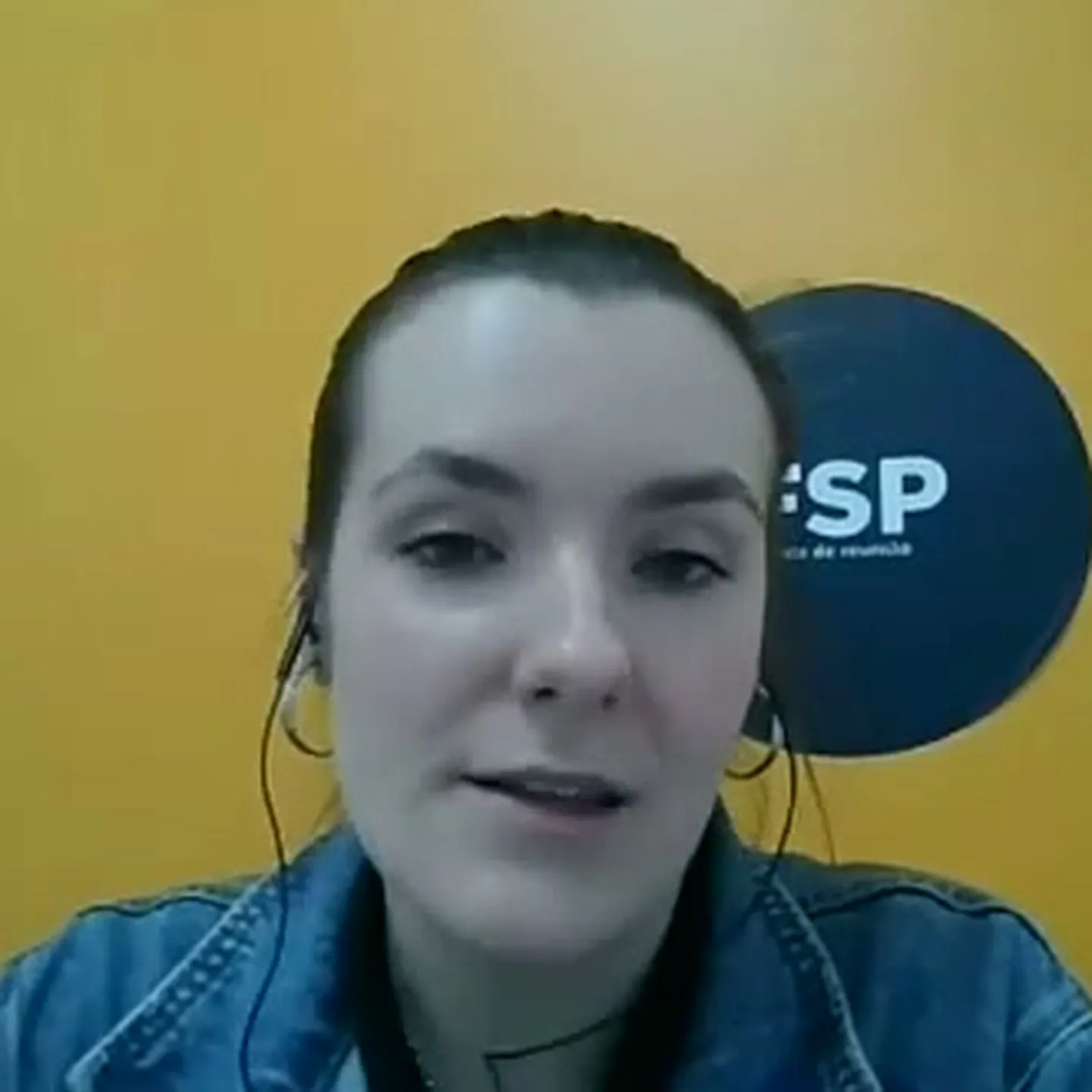
DéboraPurchasing Manager, in the recorded interview
BeforeAfter
- Customer request by email to salesSales fills a form; the request becomes a record in the sales-and-operations app
- Finance told by email, with its own spreadsheetThe hand-off creates a finance record; billing or contract dispatch run in finance's own pipeline
- Machine reservation in a shared spreadsheetAsset reserved on the record, visible to operations
- Preparation from memory or an unused toolPreparation order with drink types, dose, special supplies and checklist
- Installation confirmed by wordField technician confirms on a phone app with photos and the customer-signed receipt
- Asset location by hand, often lostEvery movement recorded; search a machine's number and see where it is and where it has been
- Four or five screens open to move one process forwardOne screen, with side-bar navigation per department
What was not replaced. The ERP still does registration, invoices, billing slips and contracts; the company runs on the two together. The branches keep their own views. The field team, the supplies team and the preparation bench are the same people; what changed is that they read the same record.
The bottleneck was operational, not commercial
Baristo supplies coffee to businesses: machines under rental, loan or sale, its own coffee, milk and chocolate for them, and the technical support to keep them running. Its customers are offices that treat coffee as a benefit, and hotels, restaurants, fuel stations and cafés that sell it. The company has branches in four states in its region, reports more than three thousand points of sale, and promises to install a requested machine within twenty-one days.
A coffee-service company is a fleet-and-supplies business. Every customer is a machine, a preparation spec (which drinks, what dose, what supplies), a delivery schedule for consumables, a maintenance history and a contract with billing dates. The machine is an asset that has to be reserved, prepared, installed, moved and eventually recovered. Every one of those steps belongs to a different department, and the customer's twenty-one days start ticking when sales says yes.
That is why the bottleneck was operational and not commercial. Requests were coming in. In the purchasing manager's words, the company was losing information and losing communication between departments; each process lived on a different platform and the hand-off between them was an email that might not arrive.
Every department did its job, and the process existed only in the email between them
“We had several processes decentralised: one process on one platform, another on another. We lost a lot of information and a lot of communication between departments. We solved that by concentrating everything in one place, and eleven teams are now using it.”
Across the branches, up to thirty people worked in the same file during the week. When someone changed a record, finding the previous version and the correct value could take a day.
A small system for machine preparation told operators which customer a machine was for and what to prepare, but was unfriendly enough that people did not adopt it. They ran the process outside it, by email and spreadsheet, and the process broke where it left the system.
With no shared view of reservations, operations would prepare machine 345 for one customer when it had already been reserved for another, and then redo the preparation. The rework was financial and physical: a technician on the bench, twice.
The company wanted to run on indicators and could not, because sales, finance, preparation and installation each held their data somewhere else, and the pieces did not join.
With more than two thousand assets across four states, keeping the location of each one current by hand failed often enough that the company later ran a long project just to find them all.
The pattern: every department did its job, and the process existed only in the email between them. Nothing was broken; the company was growing. But every request paid the full hand-off cost, and every lost email became a lost deadline, a skipped check, a machine on the wrong bench or an asset with no address.
Item by item, what did each job before and what does it today
| What did this before | What does it today |
|---|---|
| Customer request by email to sales | Sales fills a form; the request becomes a record in the sales-and-operations app |
| Review and customer registration by memory and inbox | Sales and operations reviews against the company standard and registers the customer in the ERP from the record |
| Finance told by email, with its own spreadsheet | The hand-off creates a finance record: credit history, price policy, contract term, fiscal data; billing or contract dispatch run in finance's own pipeline |
| Machine reservation in a shared spreadsheet | Asset reserved on the record, visible to operations |
| Preparation from memory or an unused tool | Preparation order with drink types, dose, special supplies and checklist; technician who prepared and who finished is logged |
| Supplies provisioned in a rush at installation | Supplies team emailed the provisioned quantities the day the request is approved |
| Installation confirmed by word | Field technician confirms on a phone app with photos and the customer-signed receipt attached |
| Contract start date guessed | Finance enters the contract in the ERP with the real installation date, and billing dates follow from it |
| Asset location by hand, often lost | Every movement recorded; search a machine's number and see where it is and where it has been |
| Quotes and closing reports typed | Quote PDF built on site from selected parts; closing service order PDF generated at the end of the pipeline |
| Customer approval by message | External approval form; the customer's yes or no moves the record |
| No indicators | SLA and efficiency dashboards by region, branch, 30 days, 7 days; days remaining shown to each operator |
What was not replaced. The ERP still does registration, invoices, billing slips and contracts; the company runs on the two together. The branches keep their own views. The field team, the supplies team and the preparation bench are the same people; what changed is that they read the same record.
The chain, end to end, for one machine request
- 1Sales fills the request form with customer, machine, modality and preparation detailsPerson
The request is only as good as the form sales fills.
- 2A record is created in the sales-and-operations app; if the request is for two machines, a connected record is created for the secondAutomatic
One request, one record, or two connected ones.
- 3Sales and operations reviews the request against the company standard and registers the customer in the ERPPerson
The ERP stays the fiscal record.
- 4The hand-off creates the finance record; finance checks credit history, price policy, contract term and fiscal data, then bills or sends the contractPerson
Finance no longer learns by email.
- 5The record returns to sales and operations, which reserves the specific machinePerson
The reservation is a decision a person makes.
- 6The preparation order reaches the bench with drink types, dose and supplies; the technician prepares, completes the checklist and is loggedPerson
The person on the bench knows exactly what to prepare and how.
- 7The supplies team receives the provisioned quantities for the installation dateAutomatic
By email from the system, the day the request is approved.
- 8The field technician schedules, installs, trains the customer's contact and confirms with photos and the signed receipt from the phone appPerson, customer signs
The app asks for photos and a signature rather than a checkbox.
- 9Finance enters the contract in the ERP with the installation date; the machine's location is updated to the customerPerson enters, system updates
Billing dates follow from the real installation date.
The hard links are 1, 5 and 8. The request is only as good as the form sales fills, which is why the company invested in a detailed form with required fields; the reservation is a decision a person makes, which is why the record shows connected requests and prior reservations; and the installation is confirmed by a technician on site, which is why the app asks for photos and a signature rather than a checkbox. Everything between those points moves on its own because the person at each of them has one screen and one thing to do.
“Operations would prepare machine 345 for a customer, and because it had no view of the information it would take a machine that was already reserved for someone else. Then it had to redo the whole preparation because the customer's request was different. Today, the person on the bench knows exactly what to prepare and how.”
What changed, and what the source does not measure
| Indicator | Result | Where it comes from |
|---|---|---|
| Time per department | About two hours a day saved, roughly a quarter of the day, by the team's estimate | Recorded interview; self-reported |
| On-time delivery | Above 85% of installations within the 21-day promise today | Recorded interview; measured in the system, no prior figure |
| Platform cost | Reduced, by the team's account, against the number of platforms used before | Recorded interview; no figure given |
| Rework | Machines prepared for the wrong customer described as no longer happening | Recorded interview; no count before or after |
| Asset control | Every machine's location and history searchable by asset number | Recorded interview |
| Screens per process | From four or five open windows to one, with side-bar navigation per department | Recorded interview |
| Time to a running process | About a week from build to the team using it, depending on the process | Recorded interview; the team's estimate |
The two hours is an estimate, and the 85% has no baseline. The team says each department saves about two hours a day and that on-time delivery is now above 85%. The first is stated as a feeling of a quarter of the day; the second is a number the system now measures, with the team adding that it is certain it was not reaching that before, without saying what it was reaching. This write-up reports both as the team reported them.
The cost reduction has no figure. It is described as a consequence of retiring several platforms and is not given in currency or percentage.
"Eleven teams" describes reach, not result. It is the count of departments using the system, given in the interview, and is used here to describe the scope of the build.
The installed base is undated. The interview says more than two thousand assets; the company's site says more than three thousand points of sale. The two measure different things and are not reconciled here.
What this case does not measure
Worth naming, because it is usually what gets inflated.
All descriptions and both quotes come from the purchasing manager and a second member of the operations team in a recorded interview. The second speaker is not named in the transcript. No process was independently observed.
Hours per request before, on-time rate before, rework count before, number of platforms retired and their cost: none is given. The figures are the team's own.
Several passages were reconstructed from context, including the purchasing manager's surname, which was not recoverable and is not used. The public video was published in August 2024.
And is characterised only as the team characterised it: functional but not adopted.
Those passages describe a working model Jestor no longer offers and are not used as evidence; the one-week figure for a process to be running is kept because it describes adoption, not construction.
Revenue, machines per technician, supplies volume and customer count are not in the source and are not estimated.
A coffee-service operator sells a fixed price into a volatile input
| Indicator | Number | Source |
|---|---|---|
| World coffee consumption, coffee year 2024/25 | About 175 million 60-kg bags | International Coffee Organization, annual review, as cited in 2026 |
| World coffee production, 2025/26 forecast | About 175 million 60-kg bags, up about 4 million on the prior year | U.S. Department of Agriculture, Coffee: World Markets and Trade, December 2025 |
| Arabica futures, July 2024 to June 2025 | Up about 91% | ODI, as cited in a 2026 market report; second-hand |
Contracts fix a monthly rental and a supply price for a year or more; the bean behind them roughly doubled in price in one year. Margin in that position comes from the part of the business the operator controls: how many machines are installed on time, how many are prepared once, how many are where the records say they are.
A retailer counts stock in a warehouse; a coffee-service company counts stock in other people's kitchens. An asset with no known location is a rental that is not billed, a supply delivery that goes nowhere, and a technician sent to the wrong address. The company's own project to find its machines is the cost of that count having lapsed.
Bags consumed and futures prices describe the market the operator buys in. Its installed base, its preparation rework and its on-time rate are not in any public series. The company's own SLA per stage, as it now measures, is the number to plan on.
The system is built to fit, and responsibility for it stays with us
Baristo's old setup was not careless. It was email, a shared spreadsheet, an ERP and a small operations tool, each doing part of the job, with the hand-offs left to people. The tool the floor refused to use is the cautionary tale: software that fits the process on paper and not the person on the bench gets worked around, and the process breaks where it leaves the system. The question a bespoke system has to answer is what happens in year two: a pipeline nobody can change when a new modality or a new branch arrives becomes the next shared spreadsheet in three years, with a login.
One builder owns each request from start to finish, and one is always in execution.
A new branch view, a new PDF, a new automation comes in through the same channel, without becoming a new project.
If what was built is not right, it is rebuilt. Unlimited revisions within the subscription.
Seats are never the billing unit, which matters when eleven teams across four states and every field technician touch the same records.
People learn to use their app the way they learn any app, by opening it. Building, configuring and maintaining stays on our side.
Full export at any time, by CSV and API. SOC 2 compliant, no exit fee. Pause in one click and the systems keep running.
Methodology and sources
The before-and-after descriptions and both quotes come from a recorded interview with the company's purchasing manager and a second member of its operations team, used through its machine-generated transcript. The interview is undated; the public video was published in August 2024. The purchasing manager is identified by first name only; her surname was not recoverable. The second speaker is not named. Quotes were cleaned of transcription noise without changing their content. The account is the company's own and was not audited. Passages describing the team building the system itself were not used as evidence.
Business lines, customer segments, branch states and points of sale from the company's own site. Installed base and team count from the interview. The interview says more than two thousand machines; the company's site says more than three thousand points of sale. The two measure different things and are not reconciled here.
International Coffee Organization and U.S. Department of Agriculture figures as cited in 2026 market reports; the Arabica price movement is attributed to ODI in the same reports and was not verified against the primary source.
No hours-saved total, cost-saved figure, rework count or on-time baseline is claimed, because none was given. About two hours a day is the team's estimate, with no measurement method. The 85% on-time figure is measured in the system today and has no baseline. Eleven teams describes reach, not result. The purchasing manager's surname and the second speaker's name are not invented.